Category Archives: Northern Thailand

Things to be Thankful For

Yes, I know. “You’re late, beeyotch”, you say. I am indeed a day late, but last night, sitting among friends and a table groaning under the weight of delicious food, I found myself, for once, momentarily forgetting to complain about my sad-Jen-Aniston-dust-bunny-in-a-girdle existence. Instead, I found myself feeling thankful. And I don’t want to let go of that feeling just yet.

So here, in no particular order, are Things to Be Thankful For:
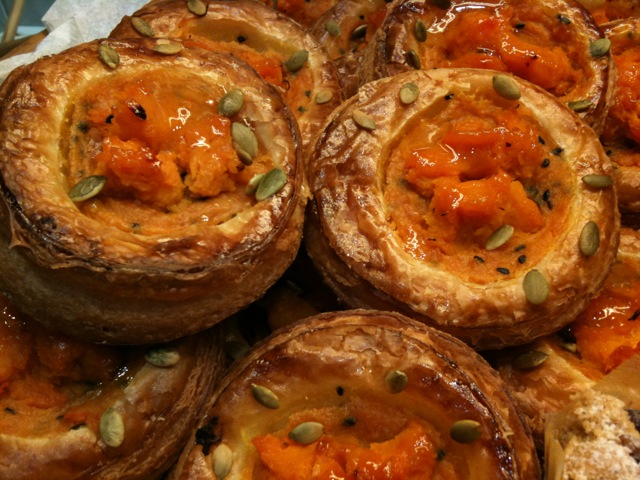
Pumpkin danish from La Creation de Gute in Hong Kong

Pastries. Need I say more? This is the entire reason people still get up for me on the Skytrain (cuz pregnant ladies be needin assistance!)
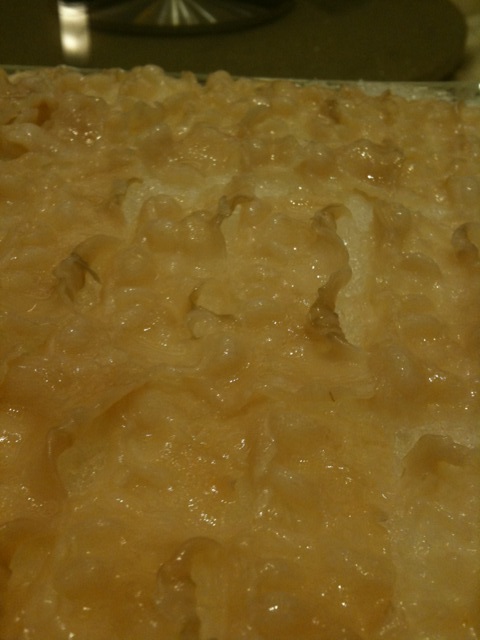
Geoduck sashimi in Shenzhen

Travels. Going anywhere new gives you (and by you I mean me) the golden opportunity to 1). meet great people, 2). try things you’ve never tried before, like this geoduck sashimi in China, and 3.) blather on about it endlessly in blog posts that make no point. How lucky is that?
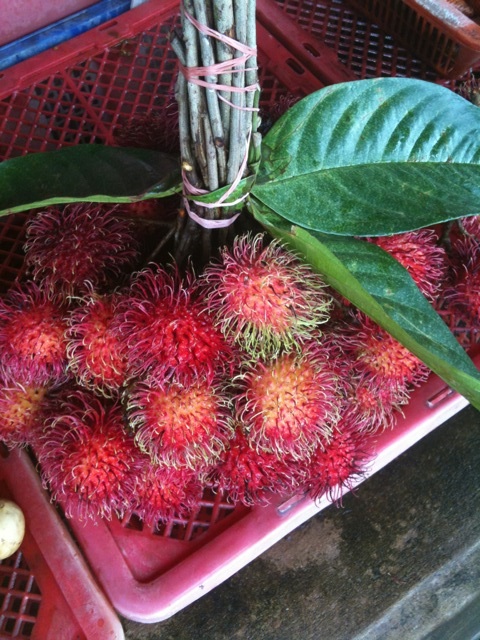
Rambutan in Chantaburi

Thai fruit. It’s the best in the world. Really! The range and variety of fruits in this country are dazzling. And they are all delicious, in their own different ways and in their own various seasons.

Thalad Gow in Chinatown

Outdoor markets. Is there a more fascinating place to explore? From France and Hungary to Vietnam and Japan, outdoor markets are my favorite place to go to find out about a place. Someday, I may even work up enough courage to try out this pickled crab stand in front of the Old Market in Chinatown.
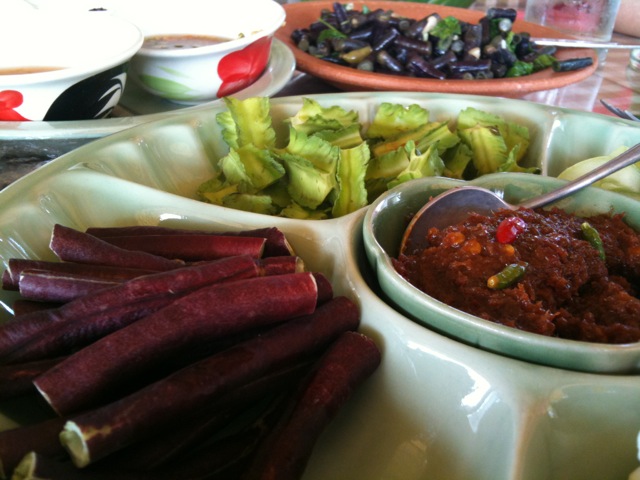
Tamarind chili dip with purple long beans in Sukhothai

Chili dips. They are my favorite part of a Thai meal. And they are so criminally underused, especially in Thai restaurants abroad! Tamarind, shrimp paste, crab eggs, lohn (coconut milk-based dips) — krueang jim are the dish that packs in a significant amount of protein and a wide variety of veggies, making it (and a bowl of rice) a complete, nutritionally balanced meal for millions of Thais, every day.
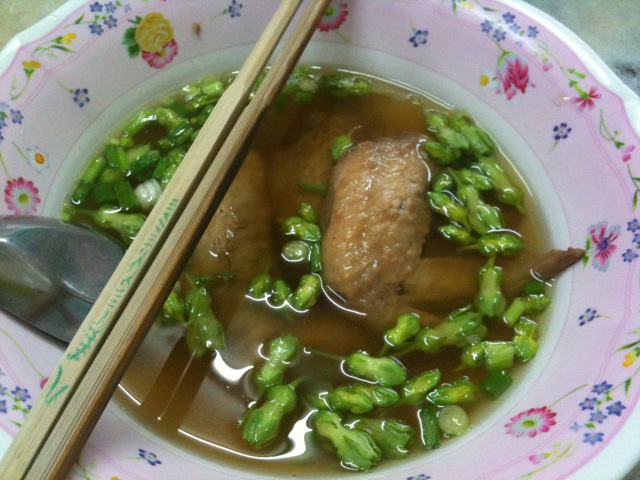
Chicken wings in kajorn blossom broth at Guaythiew Pik Gai Sainampung

How could I go this long without mentioning street food? Thailand, obviously, has some of the best in the world. People may be up in arms about farangs taking to their own mortars and pestles in restaurant kitchens, but Thai food’s real heart comes from the street.

Family. In a fit of earnestness (which will die at the end of this sentence), I am actually posting a real family picture and not a shot of the Kardashians. Of course, I am not in it.

Other things for which to be thankful: great wines (I would include a picture, but let’s face it, when I start being thankful for wine is the exact moment when I start being incapable of taking a picture); good friends; air-conditioning; the Steelers (haterz gonna hate!); people who are bored enough to occasionally read this blog (thanks, really); and the fact that my infant son is so readily diverted by a tissue.

Oh, and this:

Nam ngiew

I’m off to Chiang Rai next week for even more. Enjoy the start of your holiday season!

6 Comments

Filed under Asia, Bangkok, Chantaburi, chicken, Chinatown, dessert, food, food stalls, Hong Kong, markets, noodles, Northern Thailand, restaurant, Thailand

What nam ngiew means to me

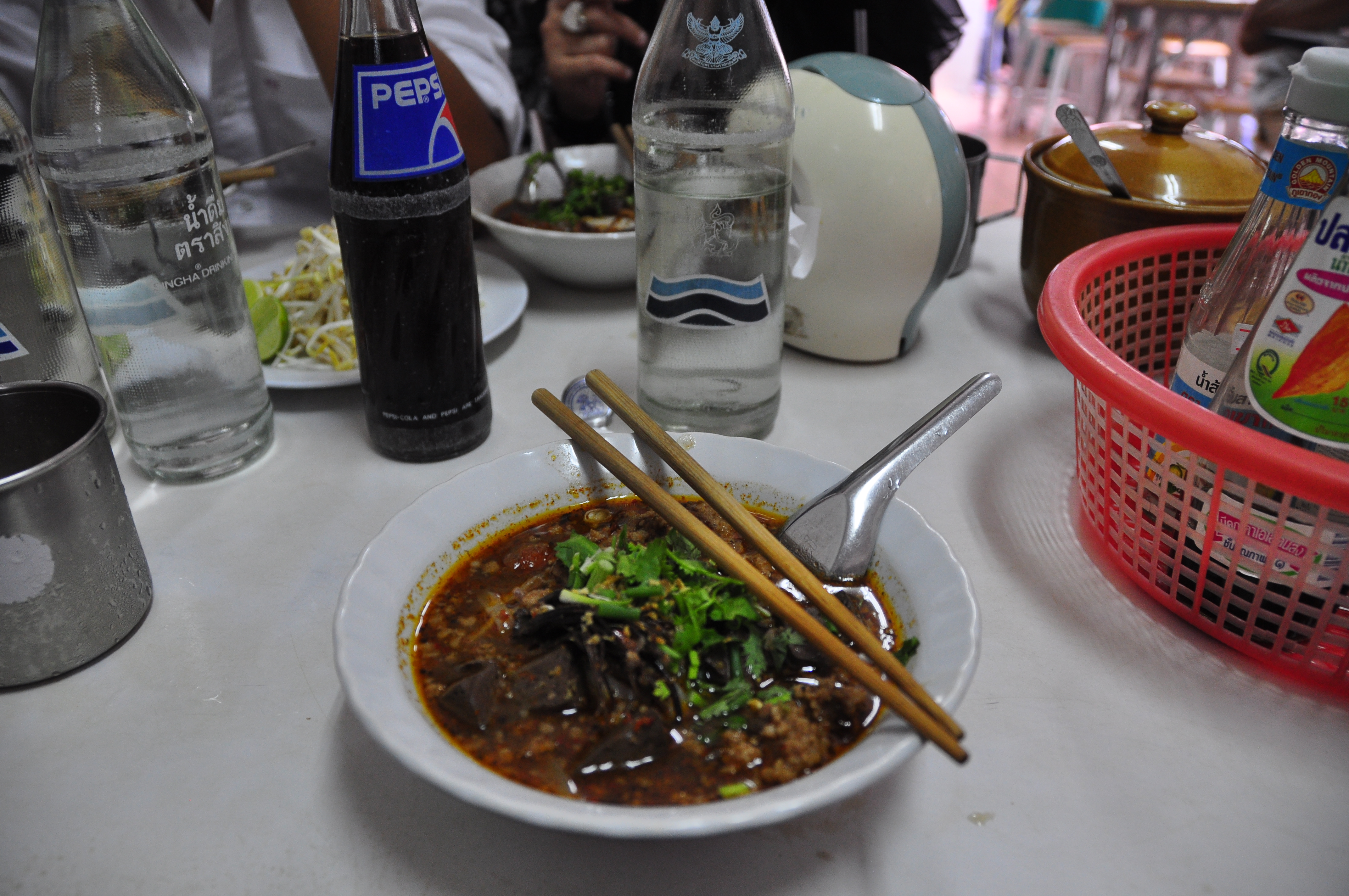
Proper pork nam ngiew at Pa Suk in Chiang Rai

(Photo by @SpecialKRB)

Everyone has a dish that reminds them of their childhoods. This — and the “last meal” that a person would select were he or she able to choose — are two of the most illuminating things you can know about a person, telling you how they see themselves, and how they grew up. I’m not the only person to think this (although there is no “childhood meal” book — I mean, we have the TGI Friday’s menu for that); in 2007, photographer Melanie Dunea asked some of the most famous chefs in the world what meal would be their preferred parting shot, and the result was “My Last Supper”.

It turns out chefs are as varied as regular people when it comes to what they want, and the setting: Daniel Boulud likes Versailles, Gordon Ramsay likes home. Jacques Pepin, characteristically elegant, wants a hot dog; BLT chef Laurent Tourondel, a Krispy Kreme doughnut. Some even chose soundtracks, with U2 making an appearance (why? If it’s post-“Unforgettable Fire”, I shake my head and judge).

I really don’t know what my last meal would be. I used to say a cold lobster with mayonnaise; sometimes I think I prefer meatloaf with a side of mac and cheese. But neither of these dishes says anything about me. The dish that figures most prominently in my childhood, and the one I keep coming back to again and again in Bangkok (like a culinary Don Quixote, or an idiot) is kanom jeen nam ngiew, a Northern Thai dish of minced pork and/or beef and dried ngiew blossoms.

Nam ngiew at Yui Lee on Sukhumvit Soi 31

It is a widely accepted fact that good Northern Thai food is hard to find in Bangkok. This is not just a bunch of Northerners pissing and moaning about Central people mucking around with beloved old favorites (although there is some of that). For some reason, something is lost in translation that isn’t when it comes to any other region in Thailand, be it Isaan or Southern Thai. It’s not heat: actually, Northerners cannot compare to Southern Thais when it comes to spicy food. I think it’s the shortcuts that people are tempted to take with northern food, which features a lot of cut or shredded herbs and painstakingly put-together pastes (plus a lot of fatty cuts of pork to combat the “cold” weather). I cannot tell you how many nam ngiew noodles I have had missing the dried dok ngiew, or ngiew flowers, which resemble sawed-off broomsticks. The fact they still serve it without essential ingredients suggests laziness, and disrespect to the customer.

Yet I haunt every food stand serving nam ngiew, and order it at restaurants when I know I shouldn’t; against all logic, I want to find The One that will bring me back home. Home to New Castle, Pennsylvania, where I wanted to dine on cavatelli (“cavads”) like everyone else in my predominantly Italian-American town, and look forward to wedding soup or pasta fagioli (pronounced “fazool”) on holidays. Home, where I would see my dad in his pajamas stuffing his own sai oua on the floor of our kitchen and feel unaccountably embarrassed. Home, where my dad would have to refer to nam ngiew as “Thai spaghetti” to get us to eat what he cooked after a 14-hour work day. And it does resemble bolognese, after a fashion (possibly a reason why I LURVE spaghetti bolognese). But it’s much, much better — meaty and rich and a little bit macho, and, if you’re from Chiang Rai, skimpy on the girly tomatoes that effete Chiang Mai-ers use to balance out all that heft (Chiang Mai people, I jest. My mom’s family is from Chiang Mai).

So where is the best place to get this very special dish? My house, where I keep two bags of sauce at all times. Also, Chiang Rai’s Pa Suk, which probably has the best nam ngiew on earth (sorry, Chiang Mai). The sauce comes in pork or beef versions (beef is VERY beefy), with fermented rice noodles (kanom jeen) or regular guay thiew (rice noodles). Also, they offer a wide variety of pork rinds (kaab moo) because no bowl is complete without them.

Beef nam ngiew at Pa Suk

(Photo by @SpecialKRB)

But where in Bangkok? Ah, well, other people are probably better guides. (This one is good.) But I urge you to do something really crazy. You can do it yourself. Alas, the Duangnet family recipe is out of bounds. But if you don’t mind the tomatoey Chiang Mai style, here is the recipe from my great-aunt, Jiao Sri na Chiangmai.

Nam Ngiew (for 10)

Preparations:

1. Nam Prik: Grind the following together well

Dried pepper,     30 pieces

Dried Bird Chillis,   30 pieces

Shallots,    0.2 Kilo

Garlic,     0.1 Kilo

Shrimp paste (Kapi),   0.1 Kilo

Lemon Grass,    3 pieces (stems)

Salt,     1 tablespoonful

Grilled dried pickled bean paste, 0.2 Kilo

2. Next, boil until slightly soft:

Pork spare ribs, cartilage parts, 1 Kilo, cut into 1 inch pieces. Save cooking liquid.

To cook:

  1. Fry “Nam Prik” in hot vegetable oil in a big pot until it “smells good” (the inside of your nose tickles). Add 1 Kilo of ground pork and the cooked spare ribs. Stir until cooked. Add the soup from the cooked spare ribs. Then add 1 Kilo of cherry tomatoes, add cooked pork blood in pieces and 0.1 Kilo of dried “Ngiew Flowers”. Add 0.2 Kilo of Black Tao Jeao.

Boil in medium temperature until well blended. Before serving on kanom jeen, add fish sauce and lime juice to your taste.

  1. Serve with:
    1. Deep fried chopped garlic
    2. Chopped shallots
    3. Cut shallots
    4. Cut limes
    5. Cut pickled greens
    6. Ground deep-fried dried chillis

Bon appetit!

9 Comments

Filed under Asia, Bangkok, beef, Chiang Rai, food, food stalls, noodles, Northern Thailand, pork, Thailand

Road trip up north, Part Deux

Before I lull you back to sleep with my blatherings on how I spent the past weekend, I wanted to show you what Northern food really should look like, thanks to @SpecialKRB’s great pics.

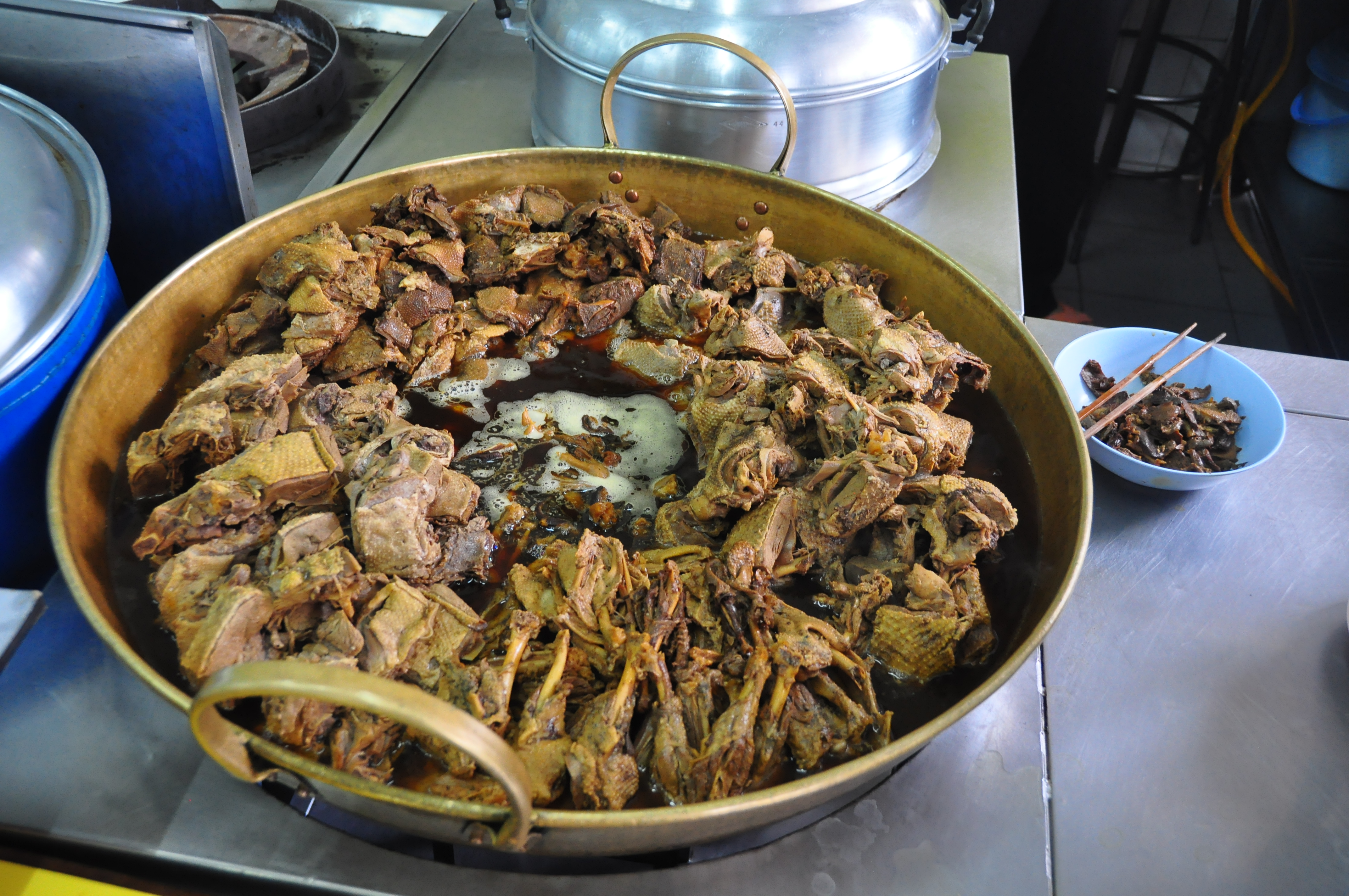
Goniew in Nakhon Sawan's stewed duck

Last of the khao soy at Khao Soy Islam in Lampang

Nam ngiew at the incomparable Pa Suk in Chiang Rai

Pa Suk's khao ganjin

Whenever I go up north, I always make sure that I have both khao soy and kanom jeen nam ngiew — they are like the bookends to Northern Thai food: one fatty and rich, the other dense and pungent. To my mind, Chiang Mai has the best khao soy (the stalls in Chiang Rai are far too bland), but the only place to have nam ngiew is Pa Suk in Chiang Rai, where it’s made properly, with few tomatoes and with plenty of chili.

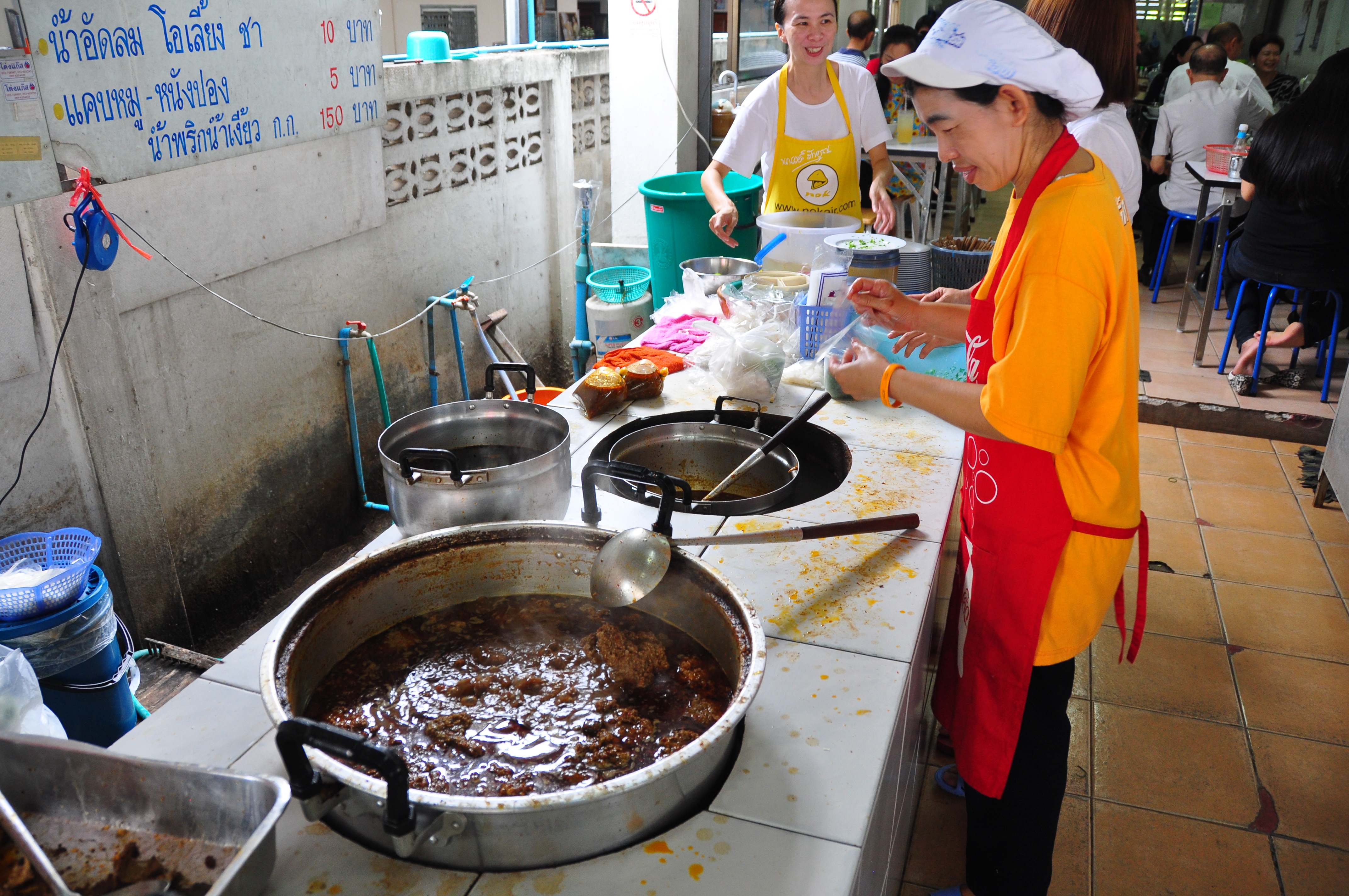
Contemplating a vat of beef nam ngiew

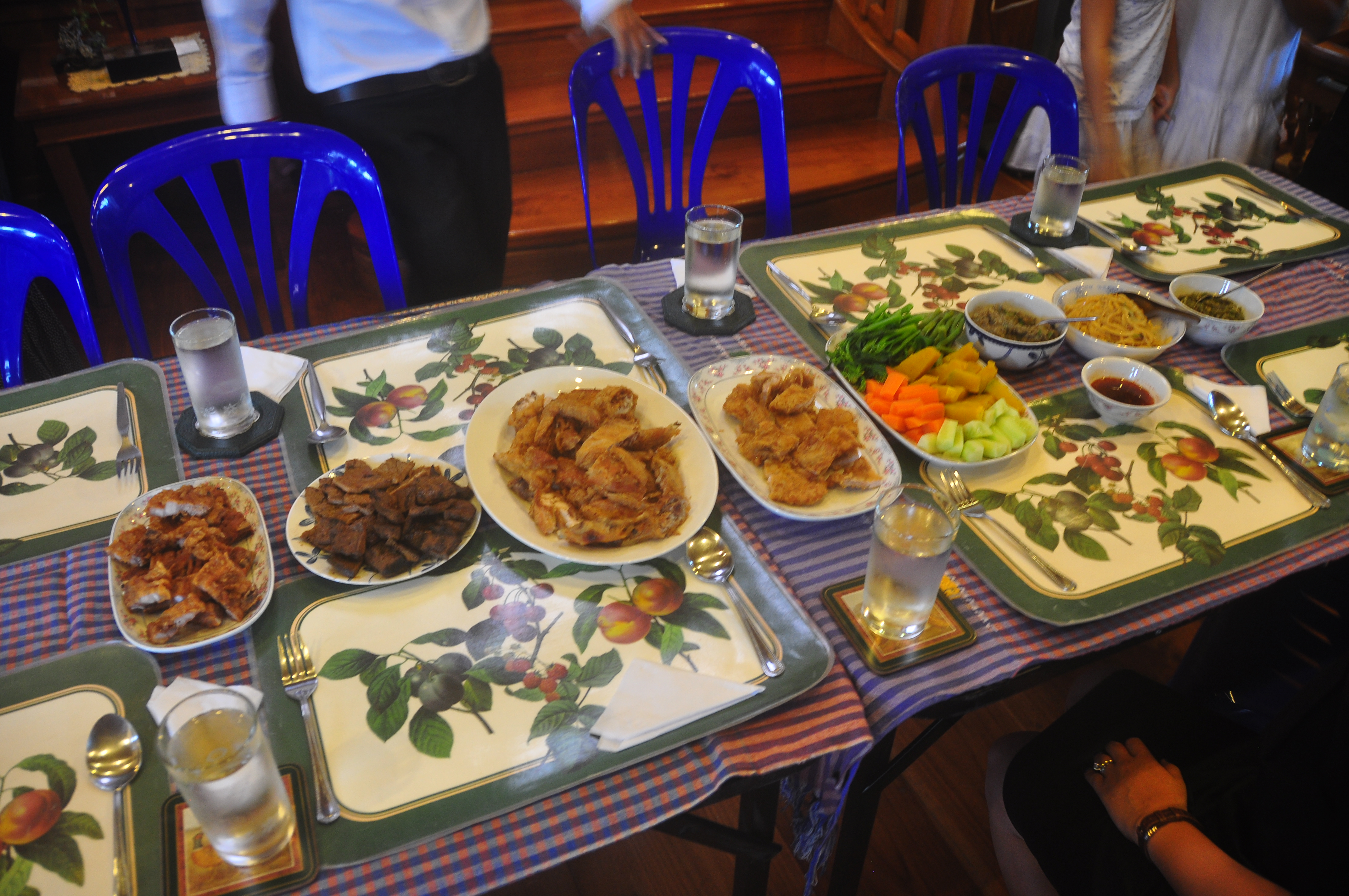
A trip home also isn’t the same without a gigantic breakfast of deep-fried pork, young crushed green chilies (nam prik num) with accompanying boiled veggies, saa pak made of a young fern available only during the rainy season, Northern Thai sausage (the famous sai oua), and macerated roasted eggplant, a Northern Thai version of baba ghanoush (the thum kanoon, or pounded young jackfruit, wasn’t available for some reason. And we had to actually steal the pork larb from the elders’ table). I love these dishes and actively seek them out whenever I am anywhere that claims to serve Northern Thai food.

Northern breakfast buffet

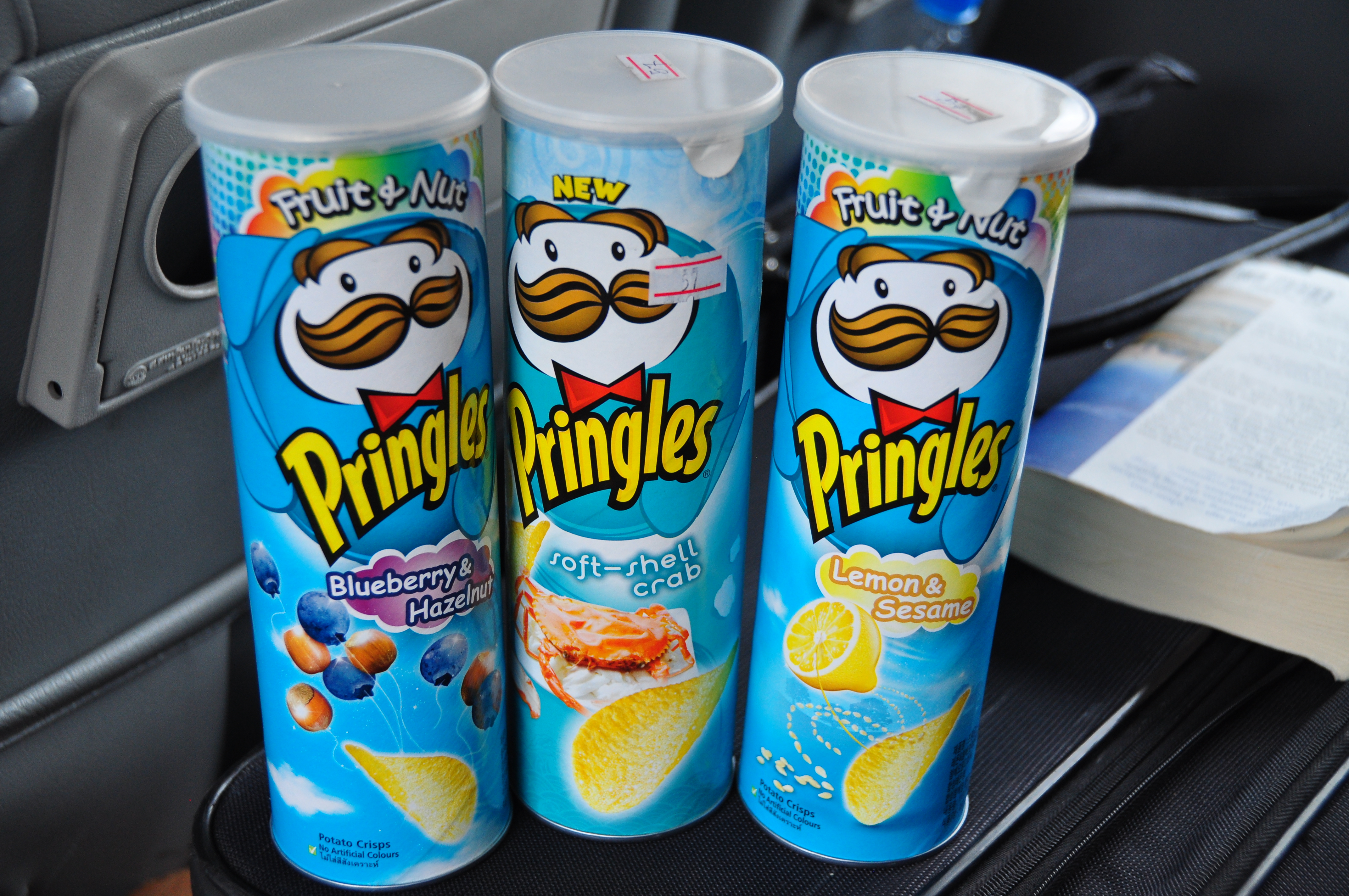
What we did not actively seek out, but what managed to find us, courtesy of a highway-side minimart: an appalling line of new-flavored Pringles chips that will set your hair on end. Tasting like a mix between bubble gum and room deodorizer, these chips (which are, no doubt, only available in Thailand) riff on the Thai fondness for the borderline between salty-sweet: lemon-sesame, blueberry-hazelnut, and most horrifying of all, softshell crab. It was the first, second, and third times, respectively, I was unable to finish a single potato chip.

In your darkest nightmares

A blow to the tastebuds to be sure, but we rebounded in Tak with a riverside trip to Kieng Thai, a lovely open-air restaurant popular with whisky-swilling local officials and famed for its clear — and authentic — spicy lemongrass soup, or thom yum (I’m no fan of coconut milk in the broth). Also devoured: tiny deep-fried Thai sardines, lightly poached fish with a lime-chili dipping sauce, a spicy-tart yum (salad) of mushrooms and raw fermented pork (naem), a whole river catfish and stir-fried morning glory with chilies.

Lunchtime in Tak

Leave a comment

Filed under Asia, Chiang Rai, food, food stalls, noodles, Northern Thailand, pork, restaurant, Thailand