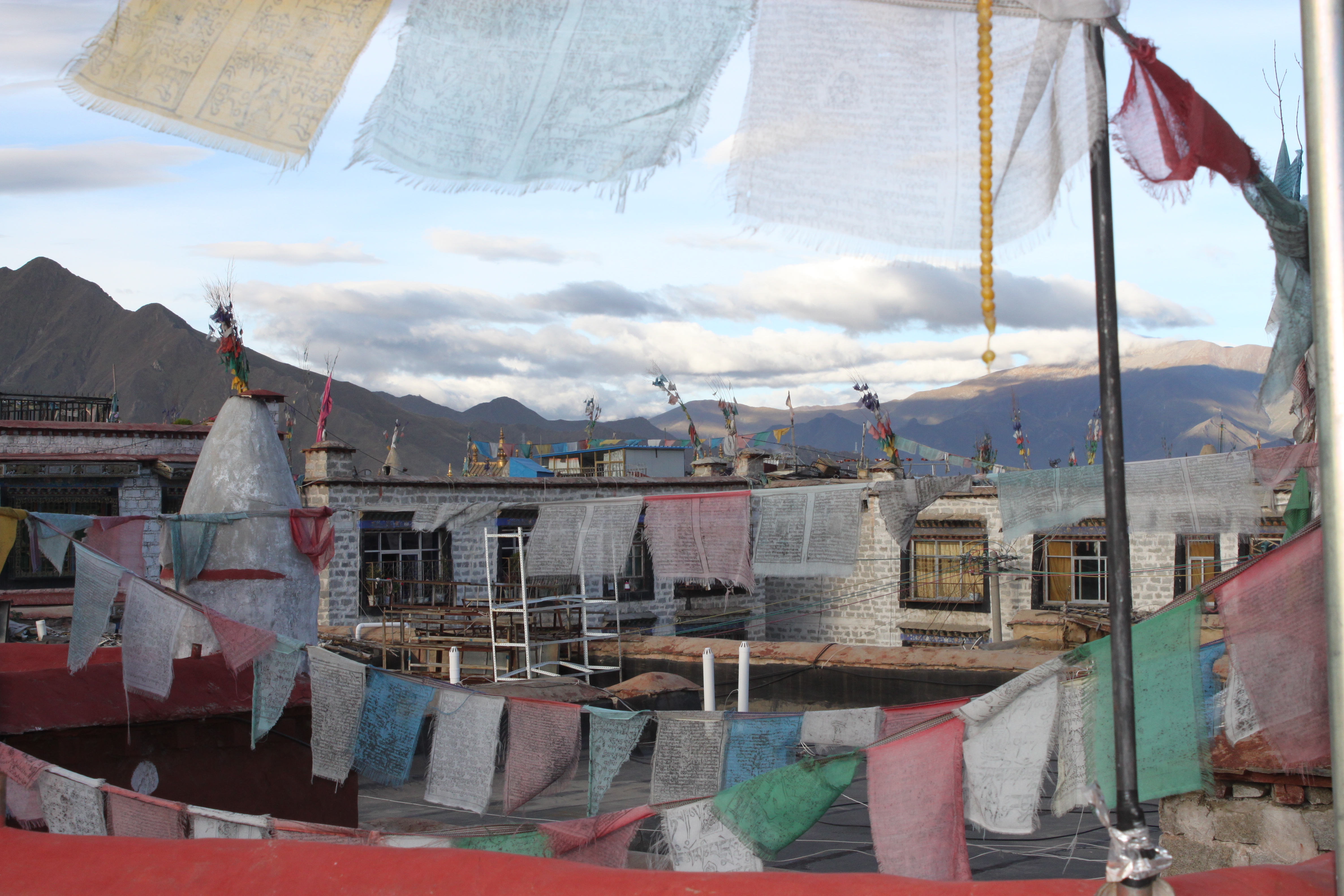
View from a mountaintop
The deal was this: a 24-hour train ride from Xining to Lhasa — where we were the only non-Chinese tourists on board — followed by a short stay in Lhasa and a car ride winding through the Himalayan mountains, skirting Base Camp and on into the Kathmandu Valley. It sounded OK on paper, exciting even — who wouldn’t want to see the “roof of the world”? How hard could a train and car ride be, right?
Let’s put it this way. On this trip, I was seriously, perilously, unbelievably close to actually losing weight. Tibet’s high altitude — up to a little over 5,000 m above sea level in some parts of our drive, marking its plateau as the world’s highest region — means every move, every utterance, everything that requires any sort of effort must be mentally weighed and assessed: how necessary is this action? Is it worth giving up some of my oxygen? This most essential of calculations permeates everything: appetite wanes as digestive activity tapers to a bare minimum, and pins and needles tickle your extremities and face as your body concentrates on feeding oxygen to your heart and brain. Some people are afflicted by sleeplessness due to the lack of oxygen (best advice: stay in your bed until morning. Really). Others have problems with gas or constipation, or its complete opposite. Whatever weak point you have, the thin air will attack it (for the record, mine is my pitiful lung capacity). Better than any physical examination, the altitude pinpoints your body’s frailties with unbending cruelty.
The high altitude and the toll it takes on the land may explain the Tibetan diet: yak, yak and more yak. This most sacred of animals in Tibet feeds, clothes and shelters the Tibetan people, warms their houses, sometimes drives their ploughs. Obviously, no part is left to waste. Its hooves are boiled with a “special sauce”. Its lungs and intestines are sautéed with fresh green chilies. Its stomach is curried; its tongue cooked with saffron. And its surprisingly sweet meat is frequently stir-fried with highland barley — known as tsampa, the staple grain of the region — cooked in a succession of hot pots, tucked into momos (Himalayan dumplings), stewed with potatoes, mixed into thukpa or soup noodles, or increasingly, shaped into patties for burgers or grilled as steaks.
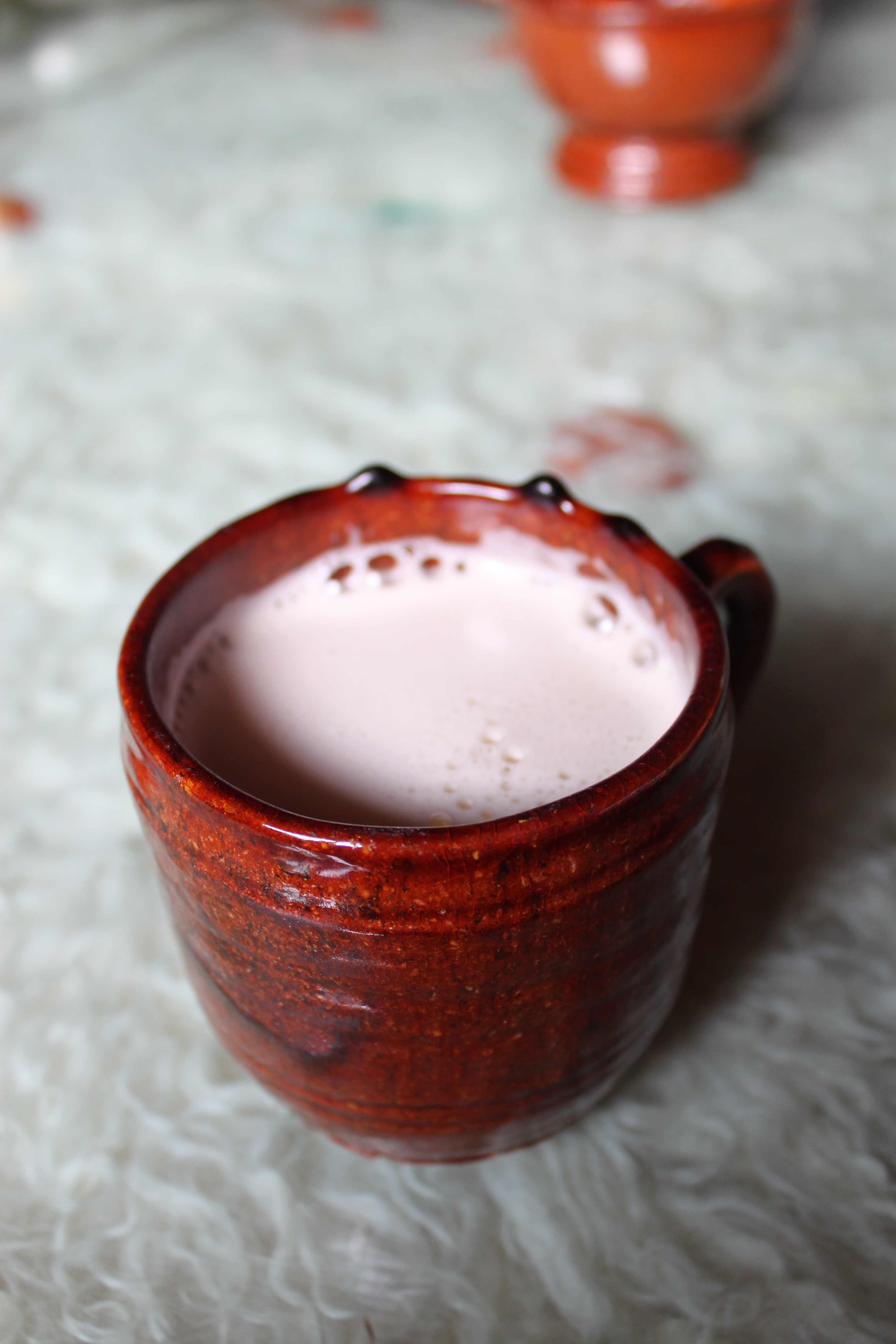
A Tibetan favorite: yak butter tea
That’s not to mention the street food: a profusion of skewered meats on the grill with flatbread, most popularly lamb daubed with a chili sauce; bowls of yak yogurt, known as shwe or sunnai; and, most popularly, carts of steamed or roasted sweet and yellow potatoes and corn, or fresh apples or apricots — Tibet is full of this stuff, making its street food possibly the healthiest in the world. What Tibet is not full of: rice, which is hard to grow in high altitudes, and fish, which the people largely avoid eating, alongside dog, horse and pig.
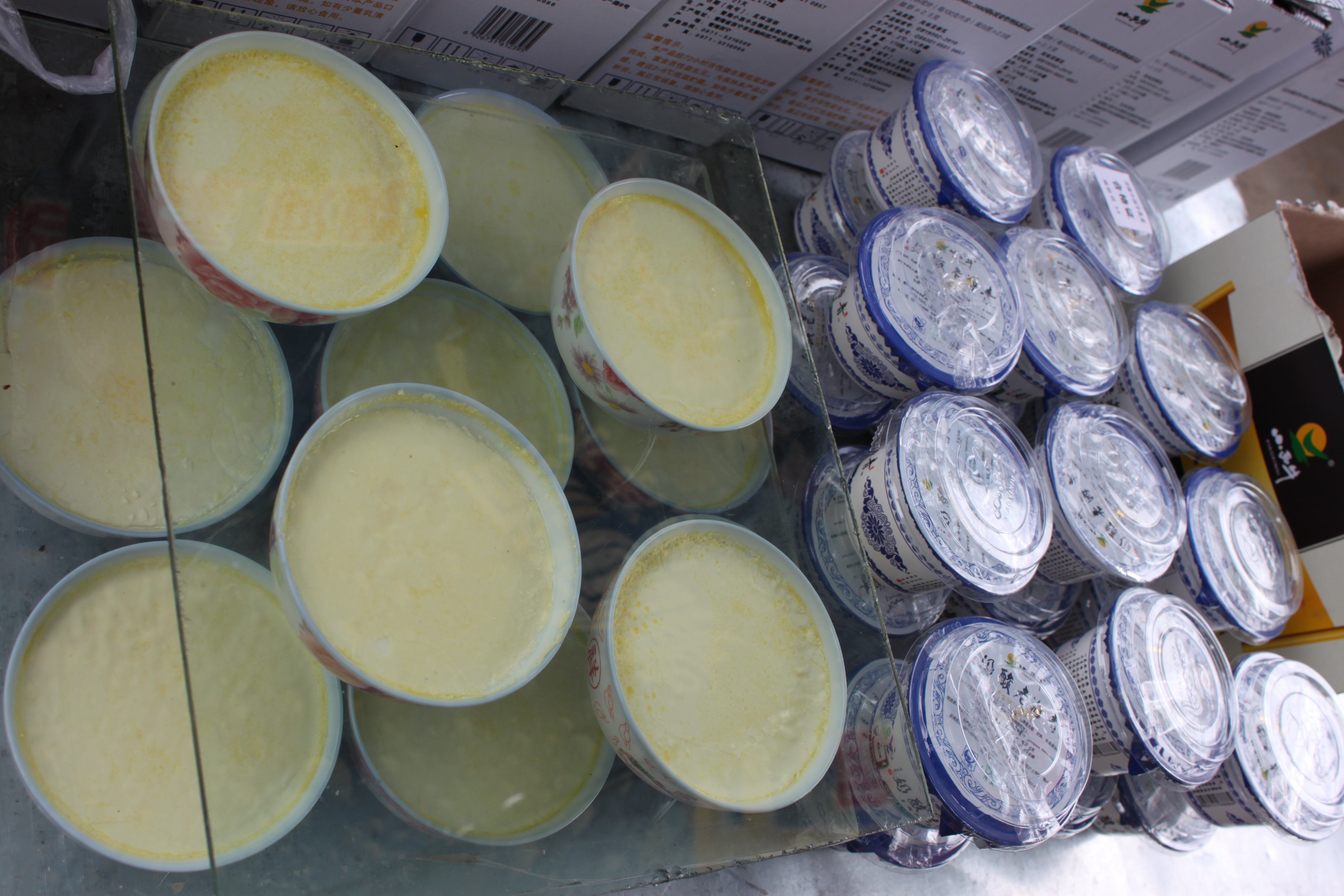
Yak yogurt for sale on the street
Tibet is not all meat and root vegetables. There is also its strong “barley wine”, ranging from 6 percent to 71 percent alcohol. Alas, yours truly did not partake: the altitude was too high to risk my fragile sense of equilibrium for a temporary — if novel — buzz, and our ever-present tour guides frowned upon it (likely because they would have to clean up our mess afterwards).

Tibetan “pretzels”, or khapsey
Some old “Tibet hands” claim that Tibet has become completely Sinocized in the past few years, losing everything that marks it as unique as Beijing strengthens its hold on the country. I say that is not the case, yet. Yes, it is impossible to ignore the all-encompassing military presence, especially in the capital, Lhasa (it is also verboten to take photographs of military, police, or any state buildings). Military or police checkpoints are set up every few kilometers on the roads; security checks are necessary to get into the main market area surrounding Jokhang temple, where soldiers carrying automatic weapons mill around, mingling with children playing on the sidewalks.
Despite it all, religion remains a mainstay of Tibetan life. At 7:30 in the morning, the Lhasa city center surges with people, some clutching hand-held prayer wheels in their right hands, prayer beads shaking in their left. All brave bag and body searches at checkpoints in order to rush to Jokhang (always approaching from a clockwise direction) to prostrate themselves before Tibet’s first, and probably holiest, temple.
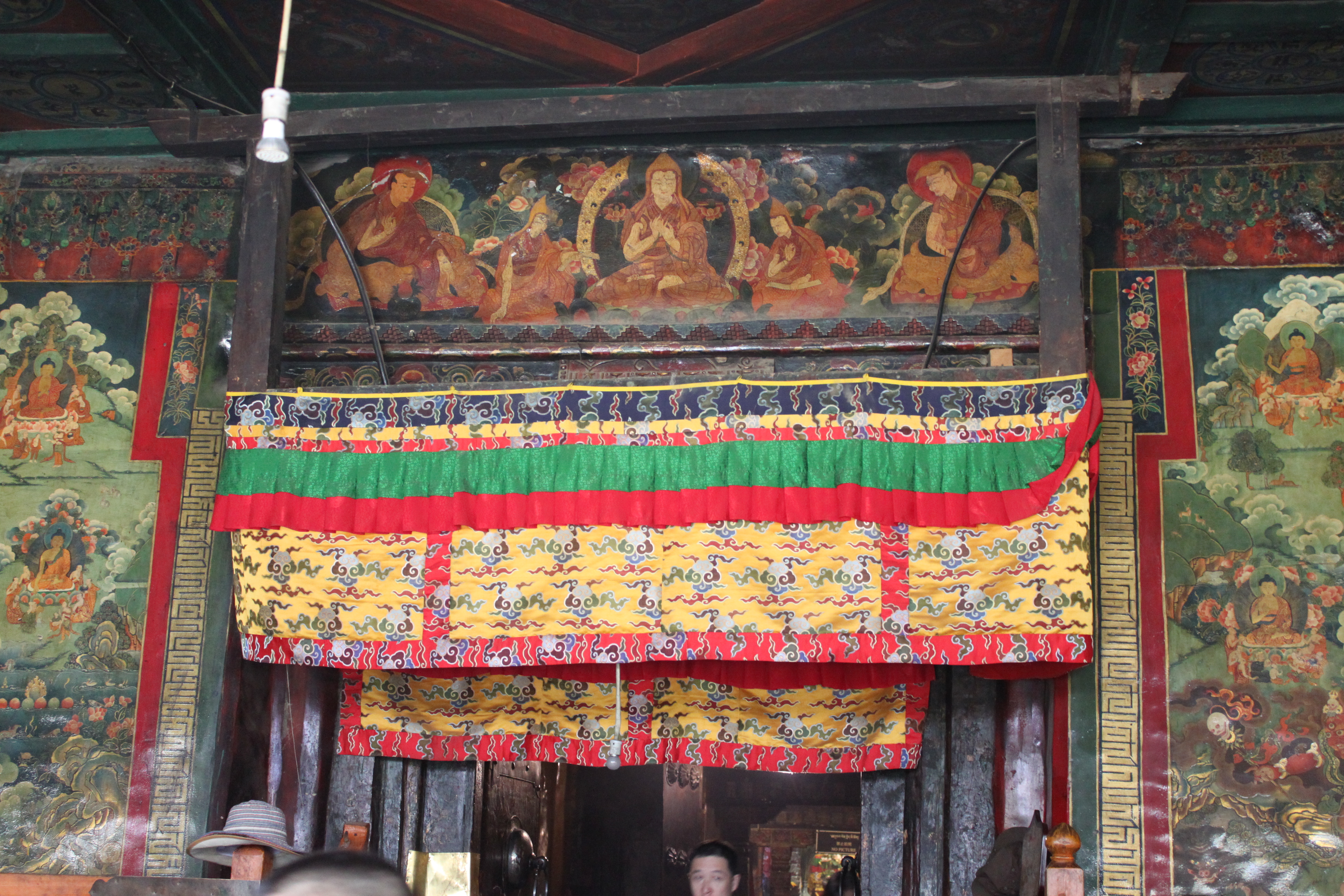
Inside Jokhang monastery
High altitude, yak and all, Tibet is worth it. I have rarely encountered people who are warmer, kinder or more hospitable than Tibetans, or a more stunning countryside, or a more intriguing culture. However, criteria for entering Tibet have recently tightened: now only groups of at least five people with the same nationality are allowed. In the future, access may be restricted further. Final verdict: go while you can.


 Bangkok Glutton