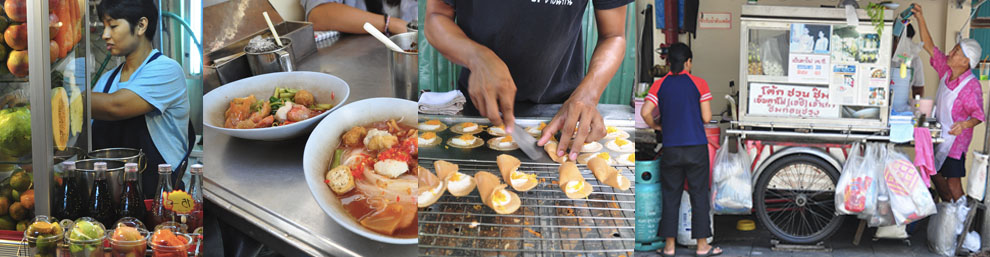

There is a reason why I have a rule about never, ever (and I mean never) reading stuff that I have been interviewed for, or watching myself on any program, or reading anything that could possibly mention my name. And it is because I do not want to get pissed off. But it’s too late now, because Dwight (@bkkfatty) brought my attention to an article in SCMP about, ostensibly, the Thai dining scene that I am not going to link to, because I am that pissed off. You can just Google it, Google is there for a reason. Also I am hungry because I only had an apple for breakfast.
This is all Dwight’s fault. LOL (sort of but not really I still love you Dwight).
The premise is that Thai food is now being taken over by fine dining restaurants, and street food is a thing of the past. I think that is the premise, but I stopped reading when a real estate person was interviewed. Nothing against the real estate person, I have friends who are real estate people, and my husband is a real estate person. But interviewing a real estate person about Thai street food is like asking this lady about Donald Trump:

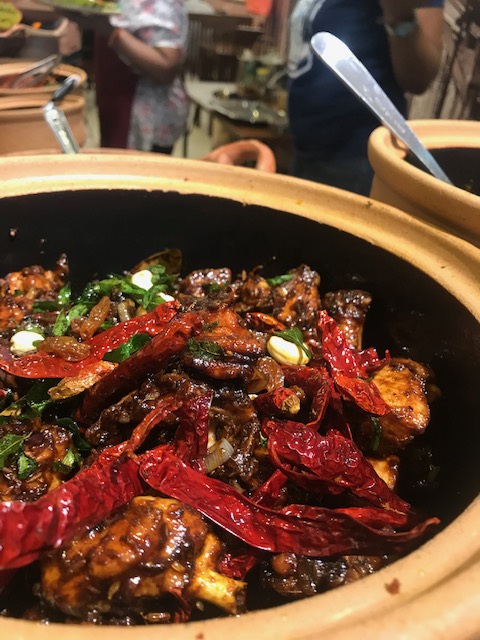
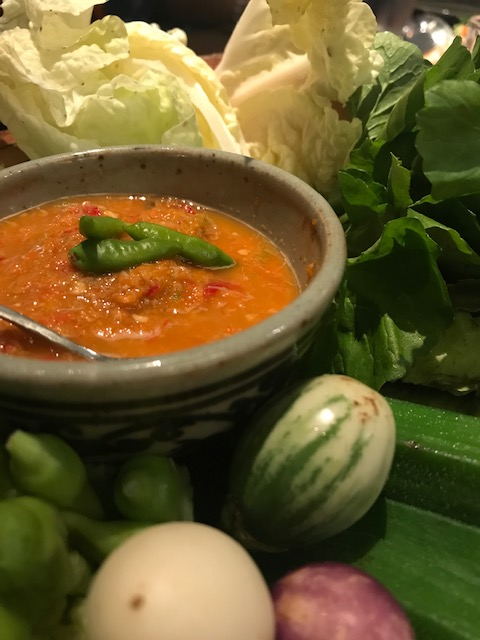
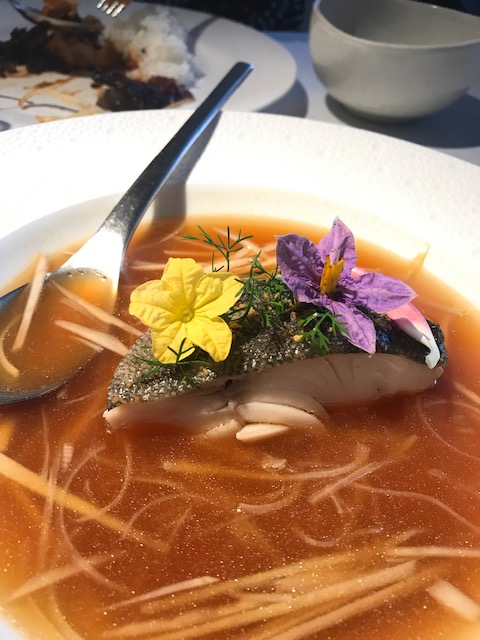
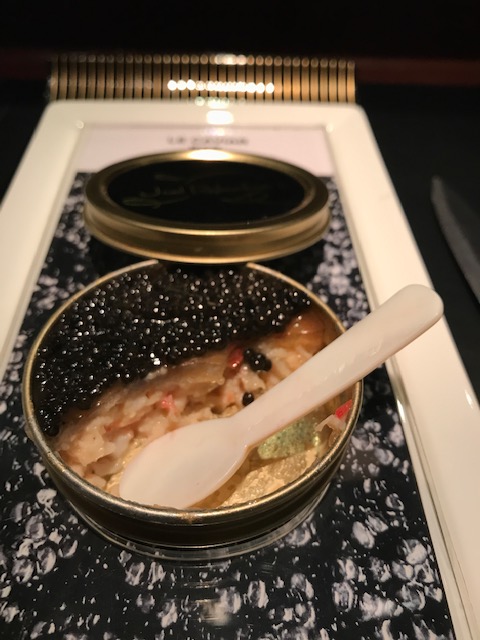
What the story appears to be doing is setting up a conflict between street food and Thai fine dining. Like, you could either eat street food or you can eat at Paste and Bo.lan, but you can’t do both. Like street food has usurped the role of fine dining in Thailand, and that conventional wisdom frames street food as the pinnacle of Thai cuisine. This is a false equivalency.

No one is saying street food is the best that Thailand has to offer. Street food could never compete with Sorn or Saawaan, either for the investment involved in its making, or in its presentation or the time and thought spent in its creation. I don’t think there are any people who don’t welcome well-made Thai cuisine, be it organic, “farm-to-fork”, or expensive. As my friend Trude would say, the move from informal to formal is normal. Go crazy with the tasting menus. Feel free to grow your own dill and coriander. Break out the mason jars. No one is against that.
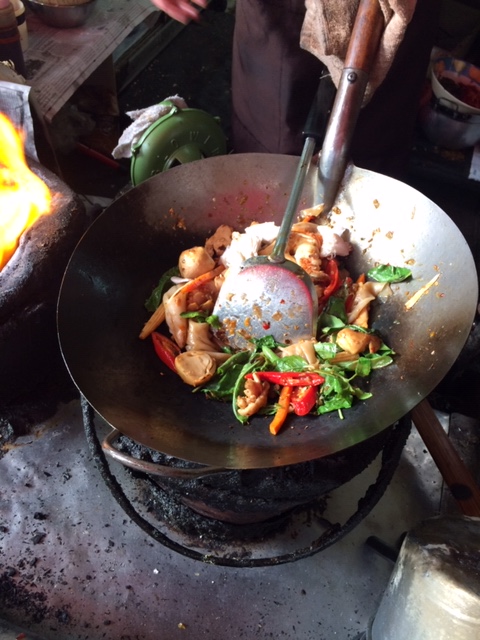
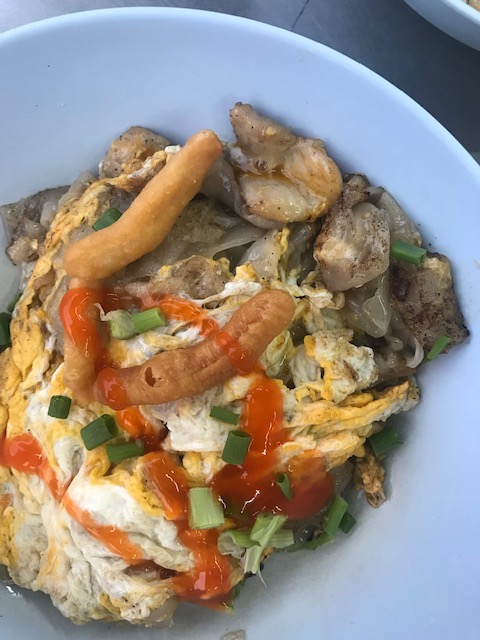
Street food is made by people in a hurry, for people in a hurry (unless, like Jay Fai, that becomes impossible, but that’s another story). It’s a bet on a vendor’s ability to make a couple of dishes well enough that they can feed their family off of it. And yes, when they do make it well enough, it becomes something that is passed down from generation to generation, and that becomes tradition. When it endures for long enough, it becomes imprinted in people’s memories and becomes a part of their childhoods and personal stories. That is what people mean when they think it’s the best. It does not mean it is the best expression of Thai cuisine. That is like saying Prince Street Pizza is the best restaurant in New York.
What this faux conflict between fine dining and street food ignores is that most Thai people can’t afford fine dining. That limiting options, in any way, not only cheats a whole bunch of people out of alternative ways of feeding oneself outside of a mall (run by a big-time real estate developer) or a convenience store (run by a big-time food company), but stifles the kind of creativity and entrepreneurship that has long fed Bangkok’s dining scene. Limiting options cuts down on the (very, very few) places where all segments of a highly stratified society can still mix, where they are all on equal footing (NOT at the mall). Limiting options means less avenues for the poor, who do not have the right last names or go to the right schools, to make a good living. If Jay Fai — the daughter of a mobile kua gai vendor — were to start out now, would she have thrived enough to buy up her own shophouse, hence escaping the current street food sweep? The problem with the street food ban is that it’s classist. It has nothing to do with food.
I have resigned myself to a future of eating noodles at food courts, but when it’s forced too soon at the expense of other people, and those other people are erased from a story that is basically theirs, it pisses me off. Of course, you can disregard what I say as someone who “profits” off of street food (55555555 all the 5s in the world). But there is still a space in Bangkok’s undeniably rich (HAH) and varied tapestry of food offerings to accommodate both ends of the Thai food spectrum, from R-Haan to non-prepackaged corporate sandwich options. To argue otherwise is disingenuous.





 Bangkok Glutton